
Exterior Painting Christchurch
Exterior painting that lasts
Protecting Your Property from Canterbury's Toughest Weather
Christchurch’s exterior paint jobs face some of the harshest conditions in New Zealand. Intense UV in summer, driving southerlies in winter, and coastal salt air test every painted surface on your property.
I’ve been painting across Canterbury for 37 years—from Merivale heritage villas to Rolleston new builds. I know what lasts, using only materials and techniques that stand up to our climate.
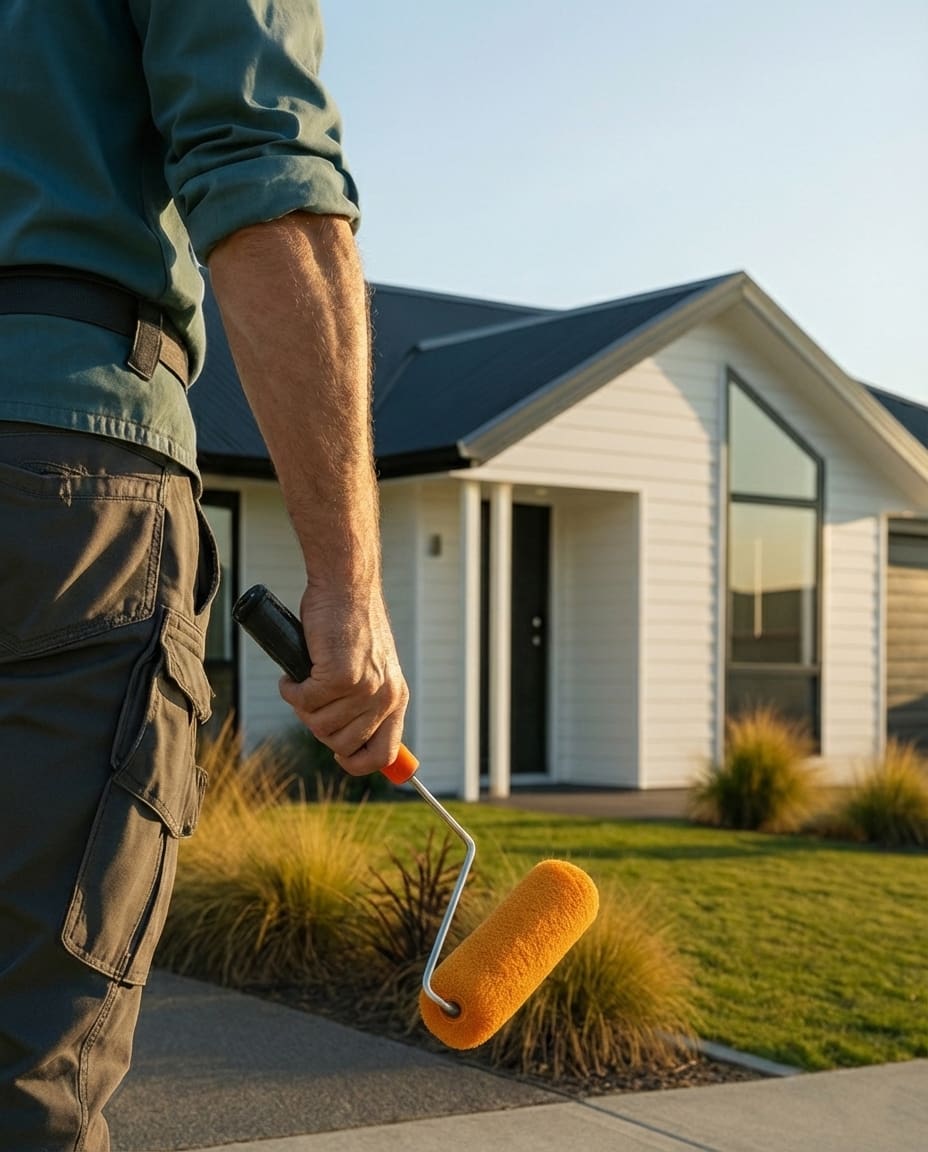
What I do
My exterior painting services
- Complete exterior repaints: weatherboard, stucco, plaster, modern cladding
- Detailed prep work: rot repair, crack filling, substrate sealing
- Fascia, soffit, and bargeboard painting (roofline detail work)
- Window and door frame restoration
- Brick painting and limewashing for 70s/80s Christchurch homes
- Deck staining, fence painting, and garage door refinishing
- Roof painting and restoration (see a separate page about this service)
- Premium UV-resistant coatings from Resene, Dulux, and Wattyl
Getting it right every time
Why Exterior Preparation is Different
Interior painting fails if the prep is rushed. Exterior painting fails if the prep is wrong. You’re not just creating a smooth surface – you’re dealing with weather damage, moisture penetration, substrate movement, and surfaces that have been baking in UV and absorbing rain for years. If the foundation isn’t right, the best paint in the world will flake off in a season.
Proper Exterior Prep Involves:
Moisture Testing
I check weatherboards, window sills, and fascia for moisture content before painting. Paint won’t adhere to damp timber, and trapping moisture under fresh paint accelerates rot.
Rot Repair & Replacement
Soft or spongy weatherboards should get replaced, not painted over. Window sills with rot should get cut out and rebuilt. Fascia boards that are failing get replaced before any paint goes on.
Crack and Gap Filling
Stucco cracks, weatherboard gaps, and gaps around window frames all need flexible fillers that move with the substrate. Rigid fillers crack within months.
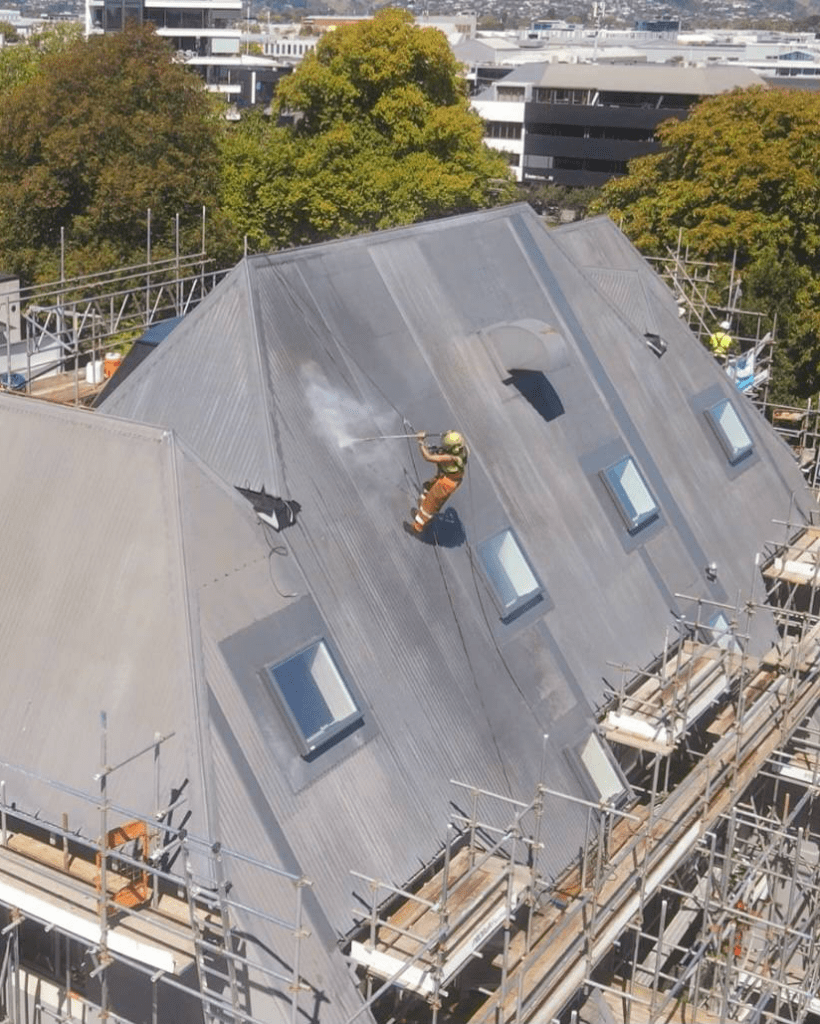
Power Washing & Cleaning
Mold, lichen, salt buildup, and chalky old paint must be removed. I use appropriate pressure settings – too high damages timber and stucco, too low leaves contaminants behind.
Priming Bare Surfaces
Every piece of bare timber, every patch of exposed stucco, every new weatherboard replacement gets primed. Skipping primer is the fastest way to paint failure.
Pro tradie tip:
South-Facing Walls Fail First: In Christchurch, south-facing weatherboards get less sun, stay damp longer, and grow mould faster. I pay extra attention to prep on these walls – they need anti-mould washes, better priming, and sometimes an extra topcoat for durability.
Exterior Surface Types: What I Paint
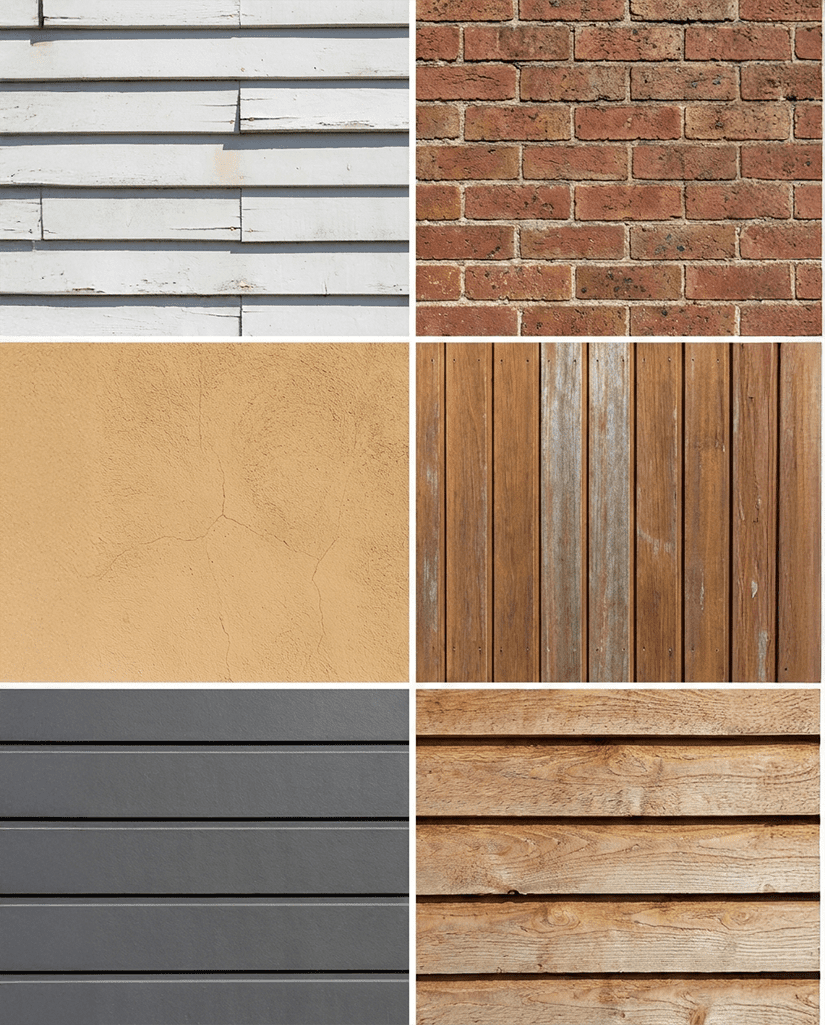
Weatherboard (Bevel-Back Siding)
The Christchurch classic. I don’t just paint – I inspect for rot, replace damaged boards, and use high-flex fillers to ensure your siding survives the elements.
Stucco & Plaster (Solid Plaster Systems)
From cosmetic crack repairs to full sealing and topcoats. I assess whether cracks are cosmetic or structural – structural cracks need professional repair before painting.
Brick (Painted or Raw)
I work on a lot of 70s and 80s Christchurch brick homes. Brick painting, limewashing, and bagging (texture coating) can completely modernize these properties.
Modern Cladding (James Hardie, Linea, Fiber-Cement)
These systems are designed to be low-maintenance, but they still need quality prep. I follow manufacturer specs for priming and coating – critical for warranty compliance.
Cedar & Timber Cladding
High-end architectural homes often use cedar or other timber cladding. I provide expert cleaning, staining, and clear-coating to highlight the natural timber look.
Not your average painter
The Details That Protect Your Home
Most exterior paint jobs focus on walls. I focus on the details – the places where water gets in and paint fails first.
Fascia, Soffit & Bargeboard
The roofline trim that most people ignore until it’s rotting. I inspect, repair, prime, and paint these areas as part of every exterior job. They’re your first line of defense against water getting into your roof cavity.
Window & Door Frames
Timber window sills and frames are water traps. I sand, fill, prime, and apply multiple topcoats with careful attention to the underside of sills (where water sits and paint peels first).
Garage Doors
Steel garage doors need rust treatment and appropriate primers. Timber garage doors need the same prep as weatherboards. I can spray for a factory-like finish or brush/roller for traditional texture.
Decks & Outdoor Timber
Decks require different products than walls – penetrating stains or oils that soak into the timber rather than sitting on the surface. Kwila, pine, and treated timber all have different requirements.
Fences
Spray application for speed and coverage, or brush/roller for traditional finishes. I use exterior-grade stains and paints that handle ground moisture and UV exposure.
Best Time of Year for Exterior Painting in Christchurch
Ideal Season: Late Spring to Early Autumn (October–April). Warmer temperatures, longer days, and more stable weather. Paint cures properly, and there’s less risk of rain ruining freshly applied coats.
Avoid: Mid-Winter (June–August). Cold temperatures slow drying times, and moisture in the air can prevent proper paint adhesion. Some paints won’t cure at all below 10°C.
Possible Year-Round with Precautions: I can paint exteriors in winter if weather conditions are right – dry days, temperatures above 10°C, and proper planning around rain forecasts. But it’s slower and riskier.
The Honest Advice: If your exterior is deteriorating badly, don’t wait for perfect weather – address the damage before it gets worse. I’ll work with the conditions we have and use products suited to the season.
How I work
Exterior Painting Process
Site Assessment & Quote
I inspect your property’s exterior, identify problem areas, assess surface types, and provide a detailed written quote with timeframe.
Preparation & Repairs
Power washing, scraping, sanding, rot repair, crack filling, gap sealing, priming. This stage takes the most time – and it’s the most important.
Protection & Masking
Gardens, paths, windows, and fixtures get protected. I set up equipment and ensure safe access to all painted surfaces.
Priming & Painting
Primer on all bare surfaces and repairs. Then multiple topcoats applied with appropriate dry time between coats. I don’t rush the process.
Detail Work & Cleanup
Final inspection, touch-ups, removal of all masking and protection, site cleanup. You get a finished exterior that looks professional and will last.
My work
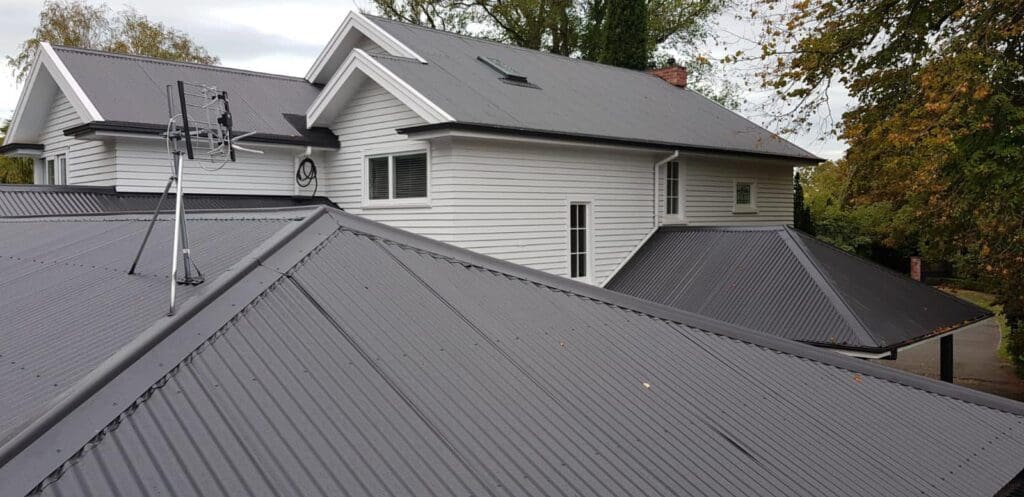
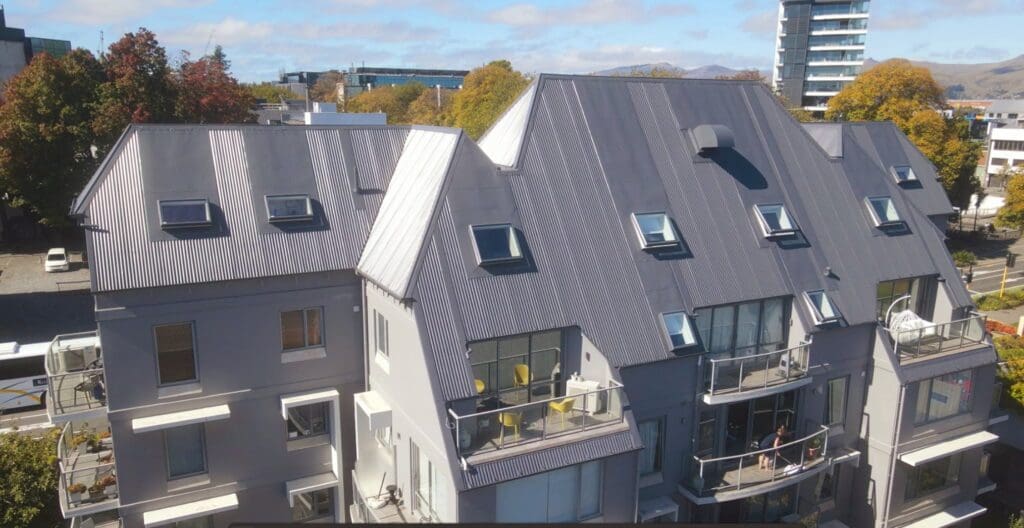
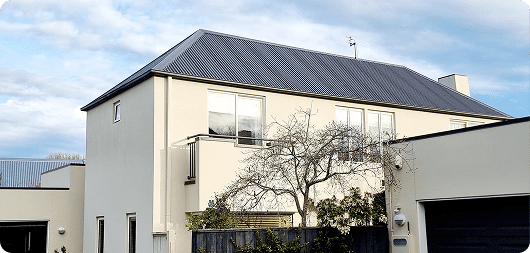
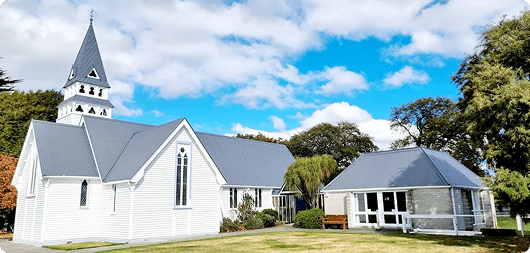
Exterior Painting Projects

Ready to Transform Your Space?
Contact me
Get a Free Quote

Finance available through our trusted partner, Three Pillars Finance. Fast, simple applications — click to apply.

Frequently Asked Questions
How long does exterior paint last in Christchurch?
With quality paints and proper prep, you should get about 10 years from an exterior paint job in Christchurch. Budget paints or poor prep might only last 3-5 years before peeling or fading.
What's the best time of year to paint exteriors?
Late spring through early autumn (October–April). Warmer, drier weather means better paint curing and fewer weather delays.
Can you paint in winter?
Yes, but only on dry days with temperatures above 10°C. It’s slower and weather-dependent, but sometimes necessary if your exterior is deteriorating.
How long does an exterior paint job take?
Depends on house size and condition. I’ll provide you with the time estimate after the site visit.
Will paint protect my weatherboards from rot?
Quality exterior paint provides a protective barrier against moisture – but it won’t fix existing rot. I repair or replace rotted timber before painting.
Can you match my existing colour?
If you have the paint tin with the colour code, yes. Otherwise, paint suppliers can attempt to match a sample – though faded exterior paint is hard to match perfectly.
Can I just paint over old exterior paint?
Only if the old paint is sound – well-adhered, not chalky, not peeling or flaking. If it’s failing, I need to remove loose paint, treat the surface, and prime before topcoating. Painting over failing paint just delays the inevitable – and makes it worse when it does fail.
Is primer just a cheap paint?
No. Primer and paint do completely different jobs. Primer seals bare surfaces, blocks stains, and creates a bonding surface for topcoats. Paint provides color and weather protection. Skipping primer on bare timber or repairs is the fastest way to paint failure – the topcoat won’t adhere properly and you’ll see patchy coverage and early peeling.
Can I pay it off over time?
Finance is available through Three Pillars Finance for painting and roof projects. It’s a simple online application — you don’t need to wait until you’ve saved the full amount to get started. Apply through Three Pillars Finance →